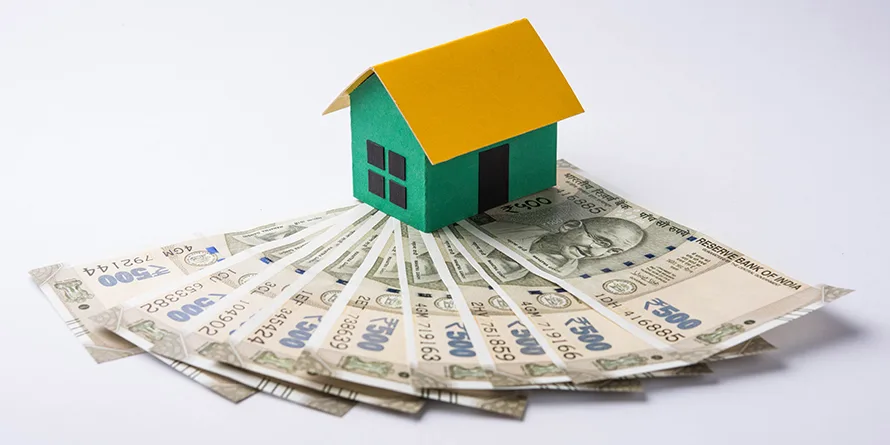
Real estate in India is witnessing a demand surge because of urbanization, improvement in lifestyle, and a growing middle class. While the housing needs are increasing the cost to build a house in India also has increased significantly over the past years. Whether a modest house in a tier-2 city or an upscale villa in a metro, the expenditure is heavily influenced by local labor charges, material choice, and design preference, making budgeting an art as much as a science.
From Tamil Nadu's granite-based regions to Maharashtra's steel-dependent buildings, the construction of house cost in India is governed by local context and construction traditions. Though cost heavily depends on materials and labor, the credibility of the builder affects the final cost in many ways.
By combining aspirational design with affordable prices and truthful information, we can support responsible urban growth. Trusted developers like OmShakthy Homes follow transparency in processes and transactions in each phase. Let’s explore how cost influences not just the price tag, but the choices developers make and the clarity buyers expect.
Average Construction Cost in India in 2025
In 2025, the Indian average construction price varies from ₹1,500 to ₹3,500 per square foot, based on the build type, location, and specifications. The factors of cost of making a house in India range from housing requirements from simple, functional residences to luxurious homes with high-end finishes and smart integrations. Types of Construction and Differences in Cost
- The land on which the property is built doesn’t belong to you. It’s either owned by the government or a private developer.
- You’re leasing the land for a set period, usually anywhere between 30 to 99 years.
- You’ll own the flat, apartment, or house structure that stands on the land, but not the land itself.
- Want to sell it or make significant changes? You might need permission from the landowner first.
- Plus, when the lease period ends, technically the rights revert to the landowner — unless it’s renewed.
So, while leasehold properties might be available in prime city areas, you have to be mindful of these conditions.
Also Read: FSI in Real Estate: Meaning, Formula, and Plot Area Ratio
Primary Construction (₹1,500–₹2,000/sq. ft)
Usually comprises economical materials such as fly ash bricks, simple cement finishes, and basic floor tiles.
- You own both the land and the structure standing on it.
- There’s no time limit on your ownership.
- You can sell, lease, or transfer it whenever you want, no permissions needed.
- The legal process is much simpler than with leasehold property.
This is often considered the better option for personal use and long-term investment, especially if you’re eyeing the best property investment in Chennai or elsewhere.
Mid-Range Construction (₹2,000–₹2,800/sq. ft)
Provides a balance between aesthetics and functionality, it comprises branded fittings, modular kitchens, and improved structural materials.
| Feature | Leasehold Property | Freehold Property |
|---|---|---|
| Ownership Rights | Limited (structure only) | Absolute (land + structure) |
| Tenure | 30–99 years | Lifetime ownership |
| Transfer Permission | Required | Not Required |
| Legal Process | More Complicated | Simple |
| Value Appreciation | Moderate | Higher |
| Loan Eligibility | Restricted | Easier |
Also Read: Built-up vs Super Built-up vs Carpet Area: Key Differences for Homebuyers
Leasehold Property
Pros:
- Usually costs less upfront.
- Often located in well-developed, central areas.
Cons:
- Limited control over the property.
- Resale can be tricky.
- Renewal issues after lease expiry.
Freehold Property
Pros:
- Full control and legal ownership.
- Better long-term resale value.
- Easier to get home loans.
Cons:
- Higher initial investment.
Premium Construction (₹2,800–₹3,500+/sq. ft)
High-quality building construction cost in India is more compared to the other building costs as premium materials such as imported marble, teak wood, superior waterproofing, and smart home technology are used in the construction.
Also Read: Power of Attorney in India: Meaning, Types, Cost & Legal Requirements
Factors Influencing Building Cost in India
The cost to build a house in India is affected by a number of important factors as follows.
- Material cost
- Type of building
- Labor costs
- Government approvals
Note: In city redevelopment areas, particularly in metropolises such as Chennai, the expense includes costs for demolition, ground leveling, and preservation of heritage, etc.
Construction Cost per Sq.Feet in India by Type of Building
| Construction Type | Cost (₹/Sq. Ft) |
|---|---|
| Basic | ₹1,500 – ₹2,000 |
| Mid-Range | ₹2,000 – ₹2,800 |
| Premium | ₹2,800 – ₹3,500+ |
Cost Breakdown – Key Components
From design to regulatory clearances, every aspect impinges on pricing, timelines, and purchasing expectations. With constantly shifting material prices, plot promoters in Chennai implement region-specific pricing models that ensure affordability without compromising quality. Below is a detailed overview of the major cost components involved in constructing a house in India.
What Does Civil Work Include?
It encompasses the foundation, walls, slab, roof, and plastering and a lot that keeps the building in place. This stage consumes almost half the budget as per lanter cost per sq.ft in India depending in the region, ranges from ₹175 to ₹215 per square foot.
- Scope: Includes excavation, foundation, wall work, slab pouring, roofing, and plastering.
- Cost Share: Constitutes 40%–50% of the overall project cost.
How much is Finishing Work Construction Cost
Flooring, electrical fittings, painting, and woodwork belong to this category. These decisions have an impact on long-term maintenance cost.
- Scope: Includes flooring, painting, modular woodwork, carpentry, and electrical fittings.
- Cost Share: Constitutes 30%–35% of the total budget.
How Do Labor Charges Affect Construction Cost?
The cost for building a house in India is calculated with labor rates, which vary according to location, level of skill, and type of project. Shorter timelines tend to be pricier.
- Scope: Comprises skilled and unskilled labor for finishing and civil work.
- Cost Share: Region, skill level, and project size dependent.
Why Are Design Fees Important?
Although a minor budget portion, it has an influence on every single construction choice.
- Scope: Covers architectural, structural and interior designs.
- Cost Share: Often 3%–6% of the overall project expenditure. .
What Legal Costs Can You Expect?
CMDA & DTCP approvals, RERA registration, and utilities connections - all incur costs.
- Scope: Municipal sanctioning, along with request for utilities.
- Cost Share: Introduces ₹100–₹300/sq. ft based on location and project category.
Also Read: Lease Agreement Explained: Key Terms, Clauses & Conditions You Must Know
Cost to Construct a House in Other Indian Regions (2025)
Per sq ft construction cost in India differs greatly from region to region based on variations in labor costs, availability of materials, climatic conditions, and the level of urbanization. The following region-wise break-up should make it easier for you to understand the landscape.
| Region | Challenges | Cost Range (₹/Sq. Ft) | Regional Impacts |
|---|---|---|---|
| North India | Premium land rates, intense demand, and regulatory overheads | ₹2,200 – ₹3,500 | Multi-storey require seismic compliance and structural reinforcement |
| South India | Waterproofing, anti-humidity measures, and corrosion-resistant materials in coastal areas | ₹1,800 – ₹3,200 | Chennai slabs often need extra reinforcement, increasing lanter costs |
| East India | Transporting materials to remote or hilly areas raises costs | ₹1,500 – ₹2,500 | Flood-prone zones may require elevated plinths and waterproof foundations |
| West India | Limited land in urban pockets, high demand, and heritage restoration requirements | ₹2,000 – ₹3,400 | Needs restoration-friendly materials, increasing overall spend |
| Central India | Fewer premium suppliers, but ample labor availability | ₹1,400 – ₹2,200 | Ideal for scalable, budget-conscious builds with future expansion potential |
Urban vs. Rural Construction Cost Differences
Building construction cost in India does not only differ by region, but also by the type of locality. The charges vary based on overheads to do with regulations, premium of skilled labor, and logistics of transporting material.
| Aspect | Urban | Rural |
|---|---|---|
| Labor | Skilled labor is expensive and in high demand | Labor is more affordable but may lack specialization |
| Materials | Premium materials and branded supplies drive up costs | Locally sourced materials reduce expenses |
| Logistics | Logistics and delivery charges are higher due to traffic and distance | Proximity to raw materials often lowers transport costs |
| Contractors | Wide availability of professional contractors and firms | Limited access to experienced contractors and project managers |
| Overall Cost | 20%–30% higher than rural construction | 20%–30% lower than urban construction |
Also Read: How to Pay Land Tax Online: Step-by-Step Process and Required Documents
Hidden Costs You Shouldn’t Ignore
Aside from the cost to build a house, in India, there are some underlying expenses that should be included in the budget.
- Safety soil testing for foundations
- Installation of borewell or municipal water connection
- Boundary wall construction for zoning and security
- Changes to electrical & plumbing blueprints in implementation
- Hold charges of the contractor or regulatory agency's
Construction Cost Saving Tips
Planning ahead reduces overall construction costs without affecting quality. Here are some saving tips that are especially useful for redevelopment projects or new developers.
- Subcontract local builders carefully with certified credentials
- Material source in bulk to be able to benefit from wholesale prices
- Use cost estimation software for right budgeting
- Use green materials to quickly construct more environmentally friendly buildings
- Track development digitally to avoid delay and miscommunication
In conclusion, the cost of building a house in India is anything but fixed. It depends on location, design, material grade, availability of labor, and regulatory standards. Lanter slab costs in south Indian areas prone to moisture, premium finishes in metropolitan cities, all of them contribute to the ultimate cost. Be it building a house in Madhuravoyal or Mumbai, understanding construction of house and cost expenses will help in planning finances ahead and avoiding unexpected scenarios.
Budgeting also helps in saving overall cost, while keeping the check on transactions. Preparation for the unexpected expenses, approaching quality builders, and planning with regard to the local regulations eliminates delays and wastage. A reliable property developer and a well-drafted plan guarantee that your dream house does not turn into a money maze but a brilliant investment and financial security for the future.